

There are places in Israel that feel ancient the moment you arrive.
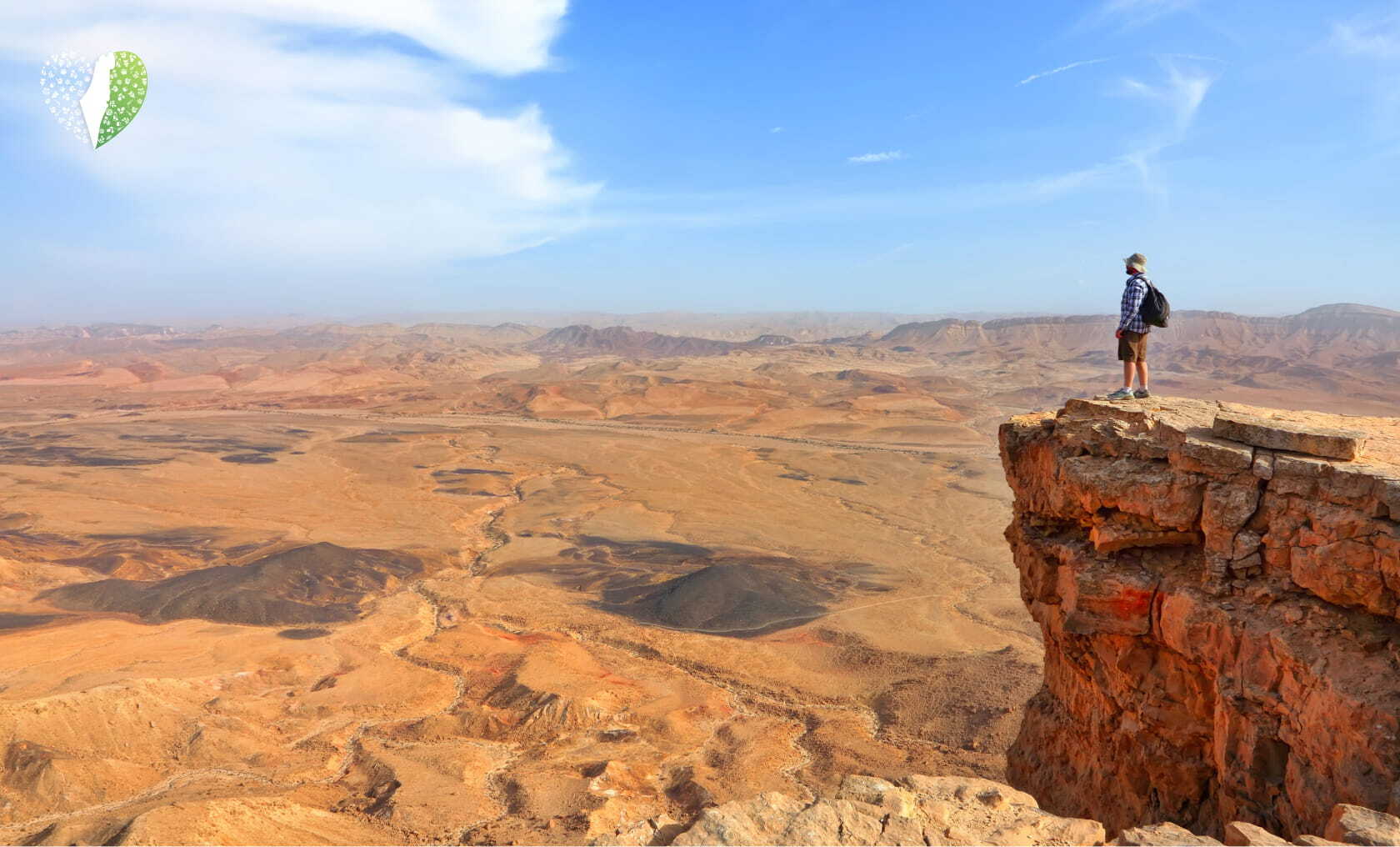
The Negev is one of them.
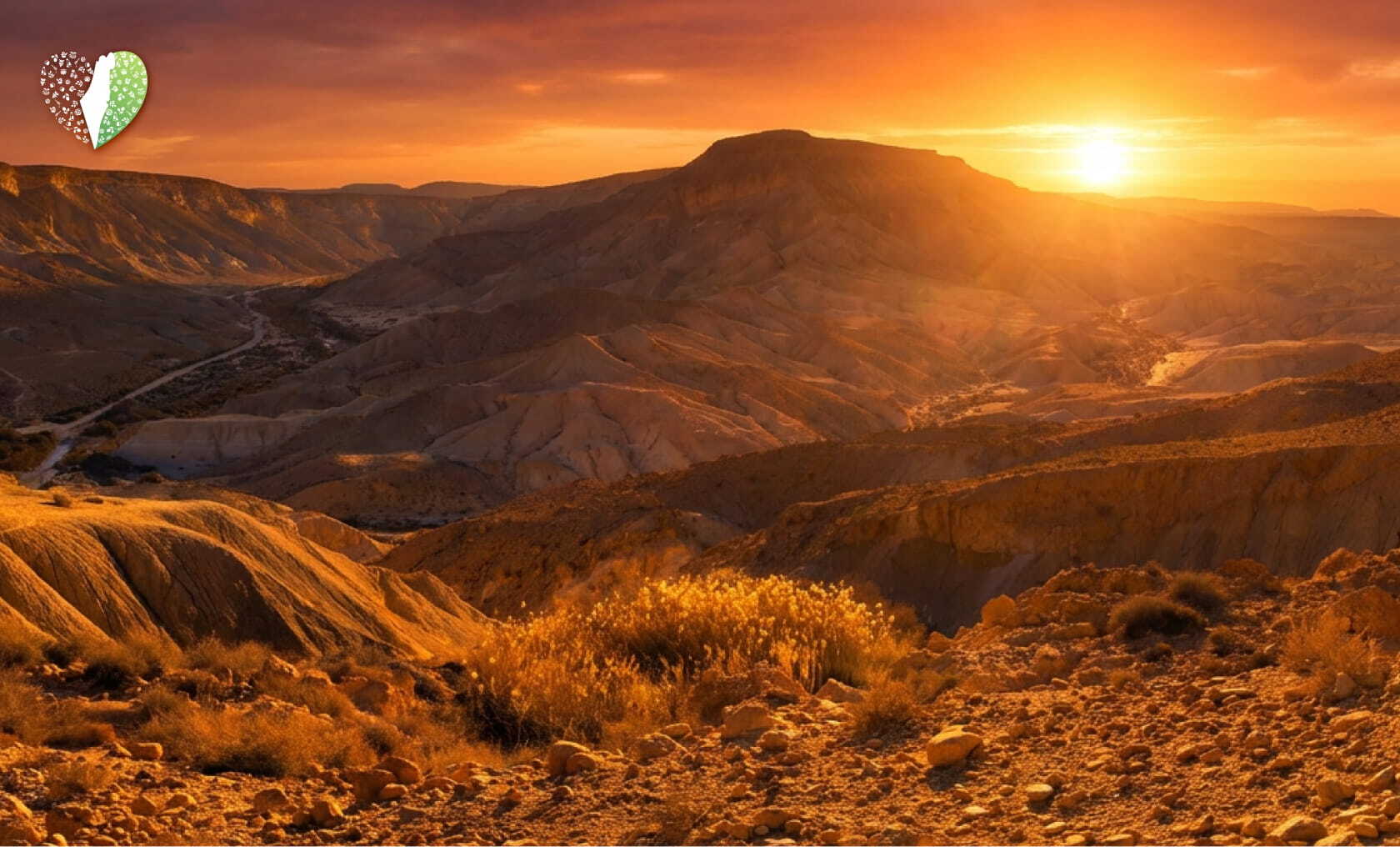
The desert stretches endlessly beneath open skies, shaped by wind, stone, silence, and time itself. Long before modern cities existed, caravans crossed these paths carrying spices and trade between kingdoms. Biblical figures wandered these landscapes. Shepherds searched for water among rocky hills. Travelers learned quickly that survival here depended on resilience, faith, and the willingness to keep moving forward.
Even today, the Negev still carries that feeling.
A place both harsh and beautiful.
Empty at first glance — yet deeply alive.
The Desert at the Heart of Israel
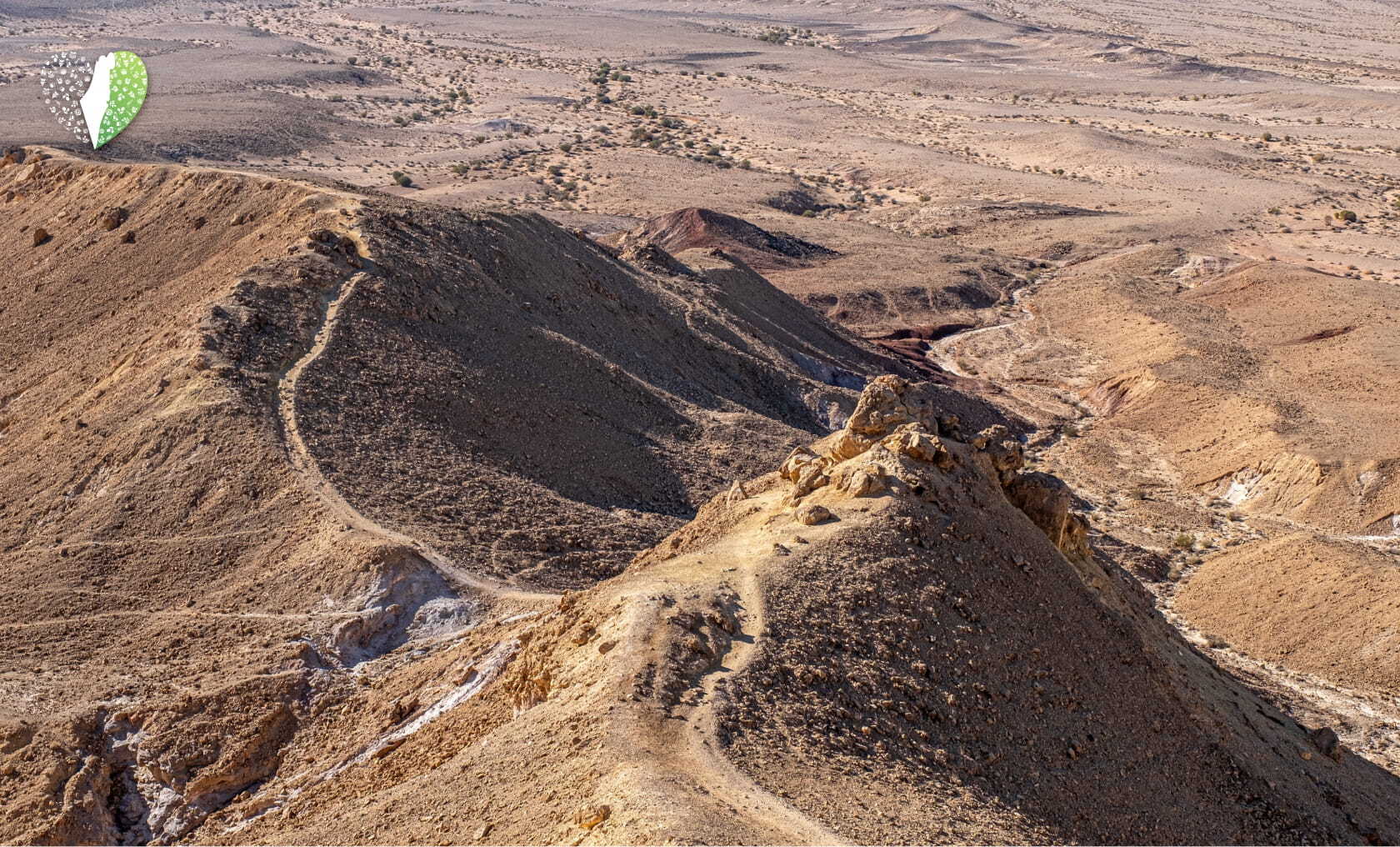
The Negev covers more than half of Israel’s land.
And yet, for generations, it remained one of the country’s most difficult regions to settle. Water was scarce. Summers were unforgiving. Communities existed far from major cities or trade centers.
Still, people came.
David crossed these desert regions while fleeing King Saul. Ancient Jewish communities traveled through them. Nabataean merchants built trade routes here connecting Africa, Arabia, and the Mediterranean world. Later, Zionist pioneers looked at the desert not as empty land, but as part of Israel’s future.
David Ben-Gurion famously believed Israel’s future would rise from the Negev.
Today, families across the desert continue proving him right.
The People Who Chose the Desert
Life in the Negev is not accidental.
People choose it.
They choose long roads, small communities, harsh summers, and distance from Israel’s crowded center because they believe there is something meaningful about building life here.
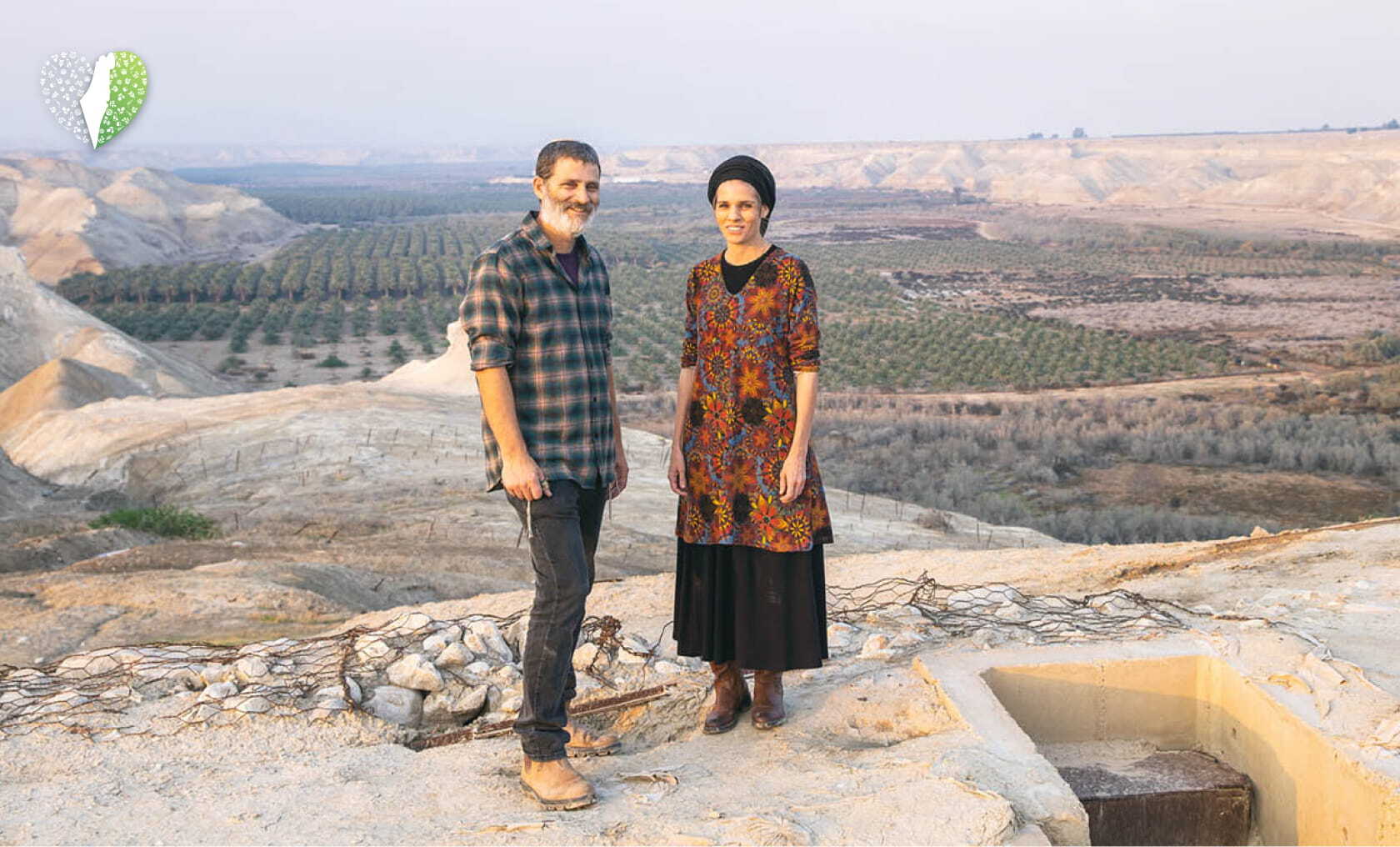
One of those families is Golan and Noa Cohen, founders of Dessert’s Song, an organic desert farm in the remote Negev village of Be’er Milka.
Neither of them grew up in the desert.
Golan came from Jerusalem.
Noa grew up in Kibbutz Mesilot.
But together, they followed a dream and built a life from scratch in one of Israel’s most isolated regions.
And when they say “from scratch,” they mean it literally.
“We even needed to build the kindergarten and then the school. We made everything.”
That is life in the Negev.
Not simply moving somewhere remote — but creating community where almost nothing existed before.
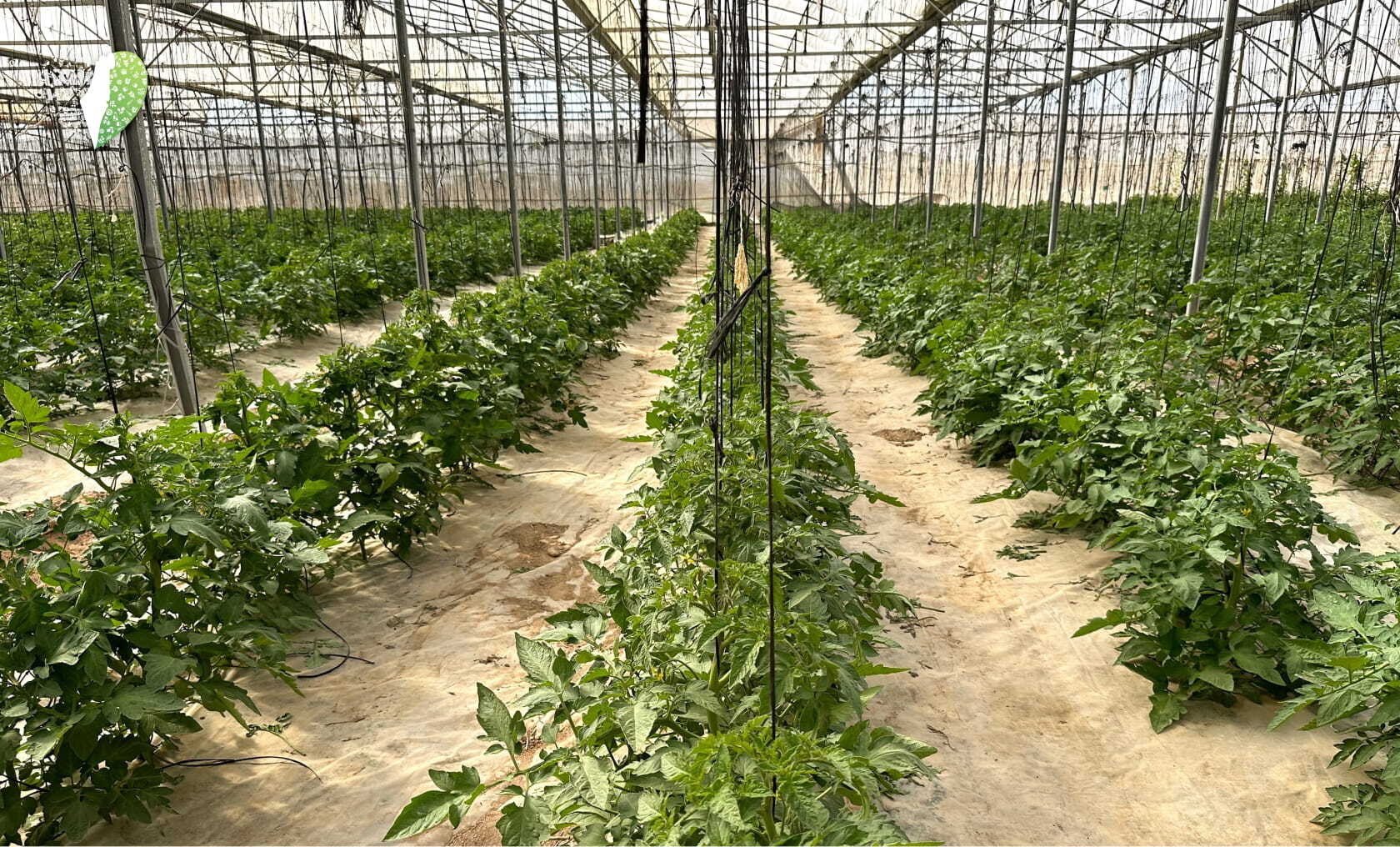
Finding workers was another challenge.
As Golan describes it:
“We needed to find ‘crazy’ people like us that would come to the desert to work.”
And yet they stayed.
Farming the Desert by Hand
Dessert’s Song is not an ordinary farm.
Everything they produce is 100% organic and handled manually — from planting and harvesting to cutting and drying the plants.
Their work is deeply connected to the desert itself.
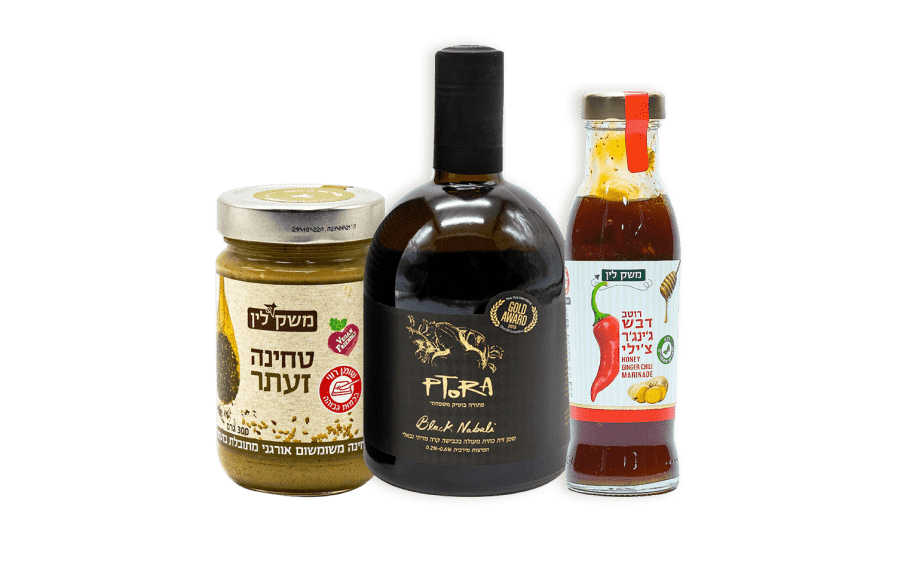
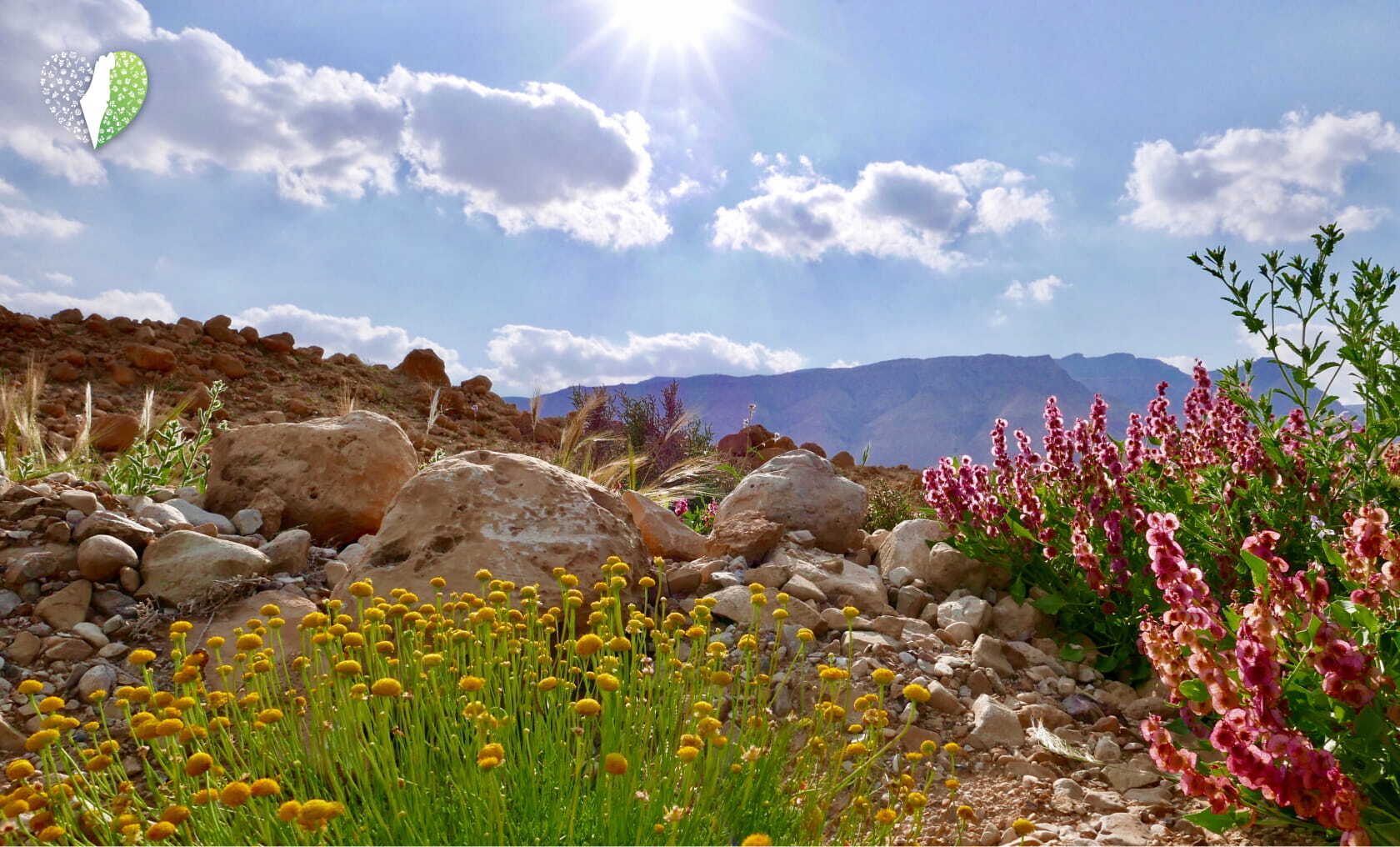
One of the products sent to Lev Haolam subscribers was Breeze In Oil, an essential oil made from Ezovit HaMidbar — a rare plant that grows only in the Negev desert and nowhere else in the world.
For Golan, this plant represents the desert itself.
“The essence of the Israeli desert is in this plant.”
That sentence captures something important about the Negev.
This landscape may appear empty to outsiders.
But the people who live there see life everywhere.
Building During Difficult Times
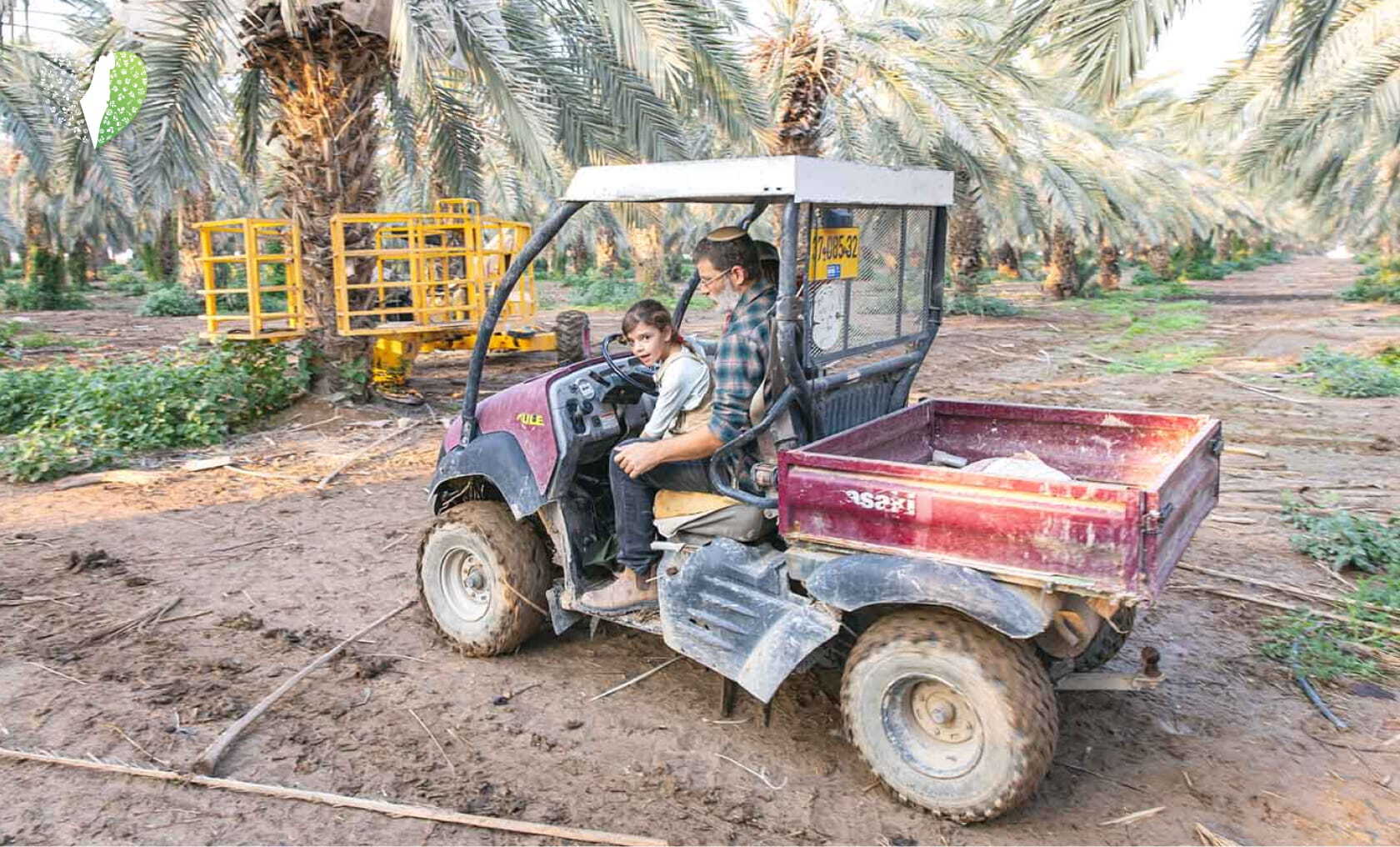
Building a business in the Negev has never been easy.
The distances are long. Tourism rises and falls. Exports become fragile during periods of uncertainty and war. Small producers often face international isolation long before the world notices their struggles.
And yet families continue building.
Planting.
Producing.
Creating.
Not because it is profitable every day.
Because they believe this land matters.
This is why Lev Haolam’s support means so much to producers in regions like the Negev.
Every subscription box creates direct connection between families in Israel’s desert heartland and supporters around the world.
Not through headlines.
Through people.
Real people continuing to build life on the edge of the desert.
More Than a Landscape
The Negev is not simply a remote region of Israel.
It is one of the places where Israel’s story is still being written every single day.
Quietly.
Faithfully.
Against the odds.
And through every Lev Haolam subscription, that story travels far beyond the desert itself — reaching homes around the world and connecting people directly to the families who chose to build there.